ByJohn A
How a Commercial Plumbing Service Helps Prevent Costly Repairs
Plumbing systems are one of the most important components of any commercial property. Offices, retail stores, restaurants, warehouses, healthcare facilities, schools, and industrial buildings all rely on dependable plumbing to support daily operations. When plumbing issues occur, they can disrupt business activities, create safety hazards, and lead to expensive repairs if not addressed promptly.
A commercial plumbing service focuses on maintaining, inspecting, and repairing plumbing systems before small problems become major issues. Rather than waiting for leaks, blockages, or equipment failures to cause significant damage, preventive maintenance helps businesses keep their plumbing systems operating efficiently throughout the year.
This guide explains how a commercial plumbing service helps prevent costly repairs, the common plumbing issues found in commercial properties, and why routine maintenance is a smart investment for property owners and facility managers.
Why Preventive Plumbing Maintenance Matters
Commercial plumbing systems experience much heavier use than residential systems. High water demand, multiple fixtures, larger pipe networks, and specialised equipment place additional pressure on plumbing infrastructure.
Without regular maintenance, minor problems can quickly develop into:
- Burst pipes
- Water damage
- Sewer backups
- Equipment failures
- Increased utility costs
- Business interruptions
Preventive maintenance helps identify these issues early, reducing repair costs and extending the lifespan of the plumbing system.
Common Plumbing Problems in Commercial Buildings
Commercial properties face a variety of plumbing challenges due to their size and daily usage.
Leaking Pipes
Even a small pipe leak can waste significant amounts of water over time.
Leaks may lead to:
- Water damage
- Mould growth
- Structural deterioration
- Higher water bills
Routine inspections help detect leaks before they become major repair projects.
Blocked Drains
Commercial kitchens, washrooms, and industrial facilities often experience blocked drains caused by grease, debris, soap residue, or foreign objects.
Untreated blockages may result in:
- Slow drainage
- Overflowing sinks
- Unpleasant odours
- Sewer backups
Regular drain maintenance helps keep wastewater flowing properly.
See also: Exclusive Business Class Tickets to Mumbai Travel Options
Faulty Fixtures
Frequently used fixtures such as taps, toilets, urinals, and sinks naturally wear out over time.
Small problems like dripping taps or running toilets may appear minor but can significantly increase water consumption if left unresolved.
Water Heater Problems
Commercial buildings often rely on large water heating systems.
Poor maintenance may result in:
- Inconsistent hot water
- Reduced efficiency
- Equipment failure
- Higher energy consumption
Routine servicing helps maintain reliable performance while extending equipment life.
How a Commercial Plumbing Service Prevents Costly Repairs
Preventive maintenance focuses on identifying potential issues before they require emergency repairs.
Regular System Inspections
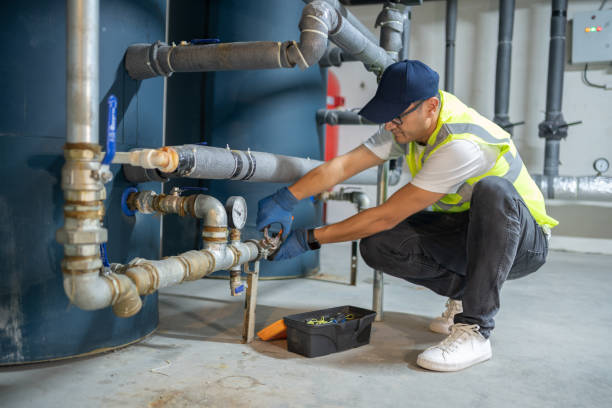
Routine inspections are one of the most valuable parts of a commercial plumbing service.
Professional inspections include checking:
- Pipes
- Valves
- Water supply lines
- Drainage systems
- Fixtures
- Water heaters
- Backflow prevention devices
Early detection allows repairs to be completed while problems remain small and affordable.
Leak Detection
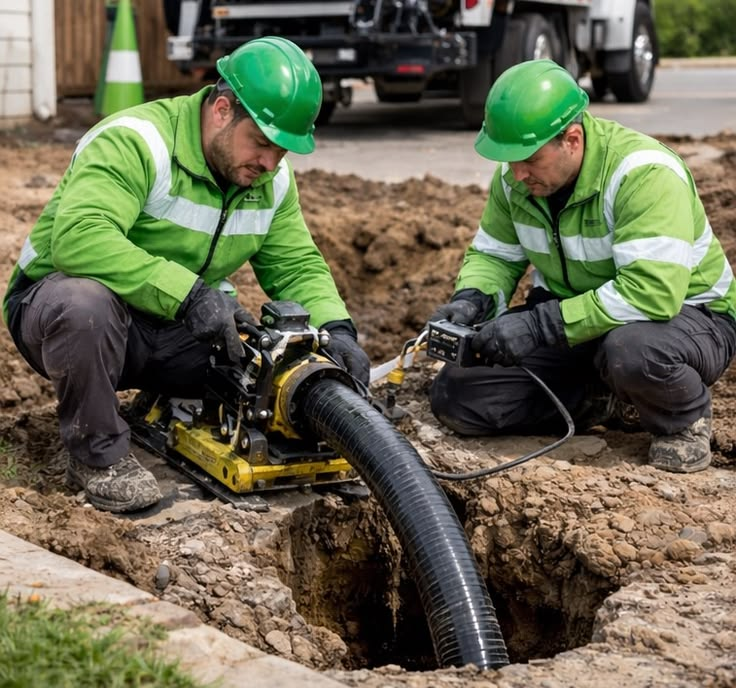
Many plumbing leaks develop inside walls, ceilings, or underground where they remain unnoticed.
Hidden leaks can cause:
- Structural damage
- Dampness
- Mould growth
- Increased water bills
Modern leak detection methods help identify problems before visible damage appears.
Preventive Pipe Maintenance
Commercial pipes gradually accumulate sediment, grease, scale, and mineral deposits.
Routine maintenance helps:
- Improve water flow
- Reduce pressure on the system
- Prevent corrosion
- Extend pipe lifespan
Keeping pipes clean lowers the likelihood of expensive pipe replacements.
Drain Cleaning
Blocked drains are one of the leading causes of emergency plumbing repairs.
Preventive drain cleaning removes:
- Grease build-up
- Food waste
- Soap residue
- Mineral deposits
- Debris
Regular cleaning reduces the risk of severe blockages that could interrupt business operations.
Protecting Your Property From Water Damage
Water damage is often one of the most expensive consequences of plumbing failures.
A burst pipe or leaking fitting can damage:
- Flooring
- Walls
- Ceilings
- Electrical systems
- Furniture
- Inventory
- Equipment
A commercial plumbing service helps reduce these risks through routine inspections and timely repairs.
Preventing water damage is usually far more affordable than restoring a building after flooding.
Improving Water Efficiency
Water efficiency benefits both the environment and business operating costs.
Commercial plumbing maintenance helps identify:
- Running toilets
- Leaking taps
- Worn valves
- Inefficient fixtures
- Water pressure problems
Repairing these issues reduces unnecessary water usage while lowering monthly utility bills.
Extending the Life of Plumbing Systems
Commercial plumbing systems represent a significant investment.
Routine maintenance helps extend the lifespan of:
- Pipes
- Pumps
- Water heaters
- Fixtures
- Valves
- Drainage systems
Replacing these components prematurely can be costly.
Proper maintenance delays the need for major system replacements.
Reducing Emergency Plumbing Repairs
Emergency plumbing repairs often occur at inconvenient times and may require immediate action to prevent further damage.
Unexpected plumbing failures can lead to:
- Temporary business closures
- Property damage
- Customer inconvenience
- Employee safety concerns
- Higher repair costs
Preventive maintenance greatly reduces the likelihood of unexpected emergencies.
Supporting Workplace Health and Safety
A properly functioning plumbing system contributes to a healthier work environment.
Poor plumbing maintenance may result in:
- Sewage backups
- Standing water
- Mould growth
- Water contamination
- Slip hazards
Routine inspections help identify safety concerns before they affect employees, customers, or visitors.
Maintaining clean and functional plumbing systems supports overall workplace hygiene.
Maintaining Business Operations
Businesses depend on reliable plumbing every day.
Restaurants require functioning kitchen plumbing.
Offices rely on clean washrooms.
Industrial facilities need dependable water supply systems.
Healthcare facilities depend on sanitary plumbing conditions.
When plumbing problems interrupt these services, productivity and customer satisfaction may suffer.
A commercial plumbing service helps businesses avoid unnecessary downtime by keeping systems operating efficiently.
What Is Included in a Commercial Plumbing Service?
A comprehensive maintenance programme typically includes several important services.
Plumbing Inspections
Regular inspections identify wear, corrosion, leaks, and damaged components before they become serious problems.
Leak Repairs
Small leaks are repaired promptly to prevent water damage and reduce water waste.
Drain Maintenance
Routine drain cleaning removes blockages and helps maintain proper drainage throughout the building.
Fixture Maintenance
Taps, sinks, toilets, and other fixtures are inspected, adjusted, and repaired as needed.
Water Heater Servicing
Regular servicing helps improve efficiency and extends the life of commercial water heating systems.
Pipe Maintenance
Pipes are inspected for corrosion, leaks, pressure issues, and signs of deterioration.
Benefits of Scheduling Regular Commercial Plumbing Maintenance
Businesses that invest in routine plumbing maintenance often experience several long-term advantages.
Lower Repair Costs
Early detection prevents small issues from becoming expensive repairs.
Improved System Reliability
Well-maintained plumbing systems experience fewer unexpected breakdowns.
Reduced Water Waste
Repairing leaks and maintaining fixtures helps conserve water.
Longer Equipment Lifespan
Routine servicing helps plumbing equipment perform efficiently for many years.
Better Safety
Regular maintenance reduces the likelihood of leaks, flooding, and sanitation issues.
Greater Budget Control
Scheduled maintenance makes plumbing expenses more predictable by reducing costly emergency repairs.
Signs Your Commercial Property Needs Plumbing Maintenance
Business owners should arrange a professional plumbing inspection if they notice:
- Rising water bills
- Slow drains
- Low water pressure
- Water stains on walls or ceilings
- Frequent drain blockages
- Running toilets
- Dripping taps
- Unpleasant plumbing odours
- Noisy pipes
- Inconsistent hot water
Addressing these warning signs early can prevent much larger problems in the future.
Conclusion
Commercial plumbing systems work continuously to support daily business operations, making regular maintenance essential for long-term performance and reliability. Waiting until a plumbing emergency occurs often results in higher repair costs, business disruption, and property damage that could have been avoided.
A professional commercial plumbing service helps prevent costly repairs through routine inspections, leak detection, drain maintenance, fixture servicing, and preventive care. By identifying small issues before they escalate, businesses can improve system efficiency, reduce water waste, protect their property, and extend the lifespan of their plumbing infrastructure.
Investing in preventive commercial plumbing maintenance is a practical way to safeguard your property, minimise unexpected expenses, and keep your business running smoothly throughout the year.