ByJohn A
Skip Bin Hire Prices: What You Need to Know
When planning a home renovation, construction project, garden cleanup, or commercial cleanout, waste management is often a major consideration. One of the most convenient and efficient ways to dispose of large amounts of waste is by hiring a skip bin. However, before booking a skip bin, it is important to understand the factors that influence skip bin hire prices.
Many people assume that skip bin pricing is based solely on the size of the bin, but several other elements can affect the final cost. Waste type, rental duration, location, disposal fees, and local regulations all play a role in determining how much you will pay. Understanding the skip bin hire prices factors can help you make informed decisions, avoid unexpected expenses, and get the best value for your money.
This guide explains everything you need to know about skip bin hire prices and how to choose the right service for your waste management needs.
Understanding Skip Bin Hire Costs
Skip bin hire costs generally cover several services, including the delivery of the bin, the collection of waste, transportation to a disposal or recycling facility, and processing fees. Some providers offer all-inclusive pricing, while others may charge additional fees based on specific circumstances.
The total cost of hiring a skip bin depends on the type of project, the volume of waste generated, and the duration of the rental period.
Why Prices Vary Between Providers
Skip bin companies operate in different regions and may have varying overhead costs, disposal partnerships, and fleet sizes. As a result, prices can differ significantly between providers.
Factors such as fuel costs, labor expenses, landfill fees, and recycling capabilities can all influence pricing structures. Comparing quotes from multiple providers can help ensure you receive a competitive rate.
Key Factors That Affect Skip Bin Hire Prices
Bin Size
The size of the skip bin is one of the most important factors affecting the overall cost.
Smaller bins are generally more affordable and suitable for household cleanups, minor renovations, and garden waste. Larger bins have higher rental costs due to their increased capacity and transportation requirements.
Common Skip Bin Sizes
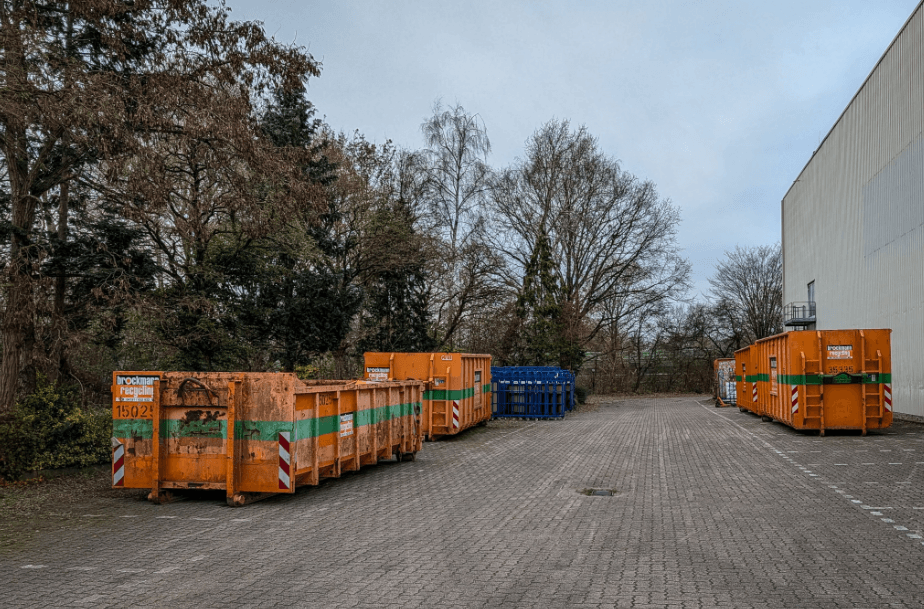
Typical skip bin sizes include:
- Mini bins for small household projects
- Medium bins for renovations and landscaping work
- Large bins for construction and demolition projects
- Extra-large bins for commercial and industrial waste
Choosing the right size helps avoid paying for unused capacity or needing multiple bins for the same project.
Type of Waste
Different waste materials require different disposal methods, which can impact pricing.
General Waste
General household waste is usually the most affordable category because it requires standard processing methods.
Green Waste
Garden waste such as branches, leaves, grass clippings, and shrubs may be cheaper to dispose of because it can often be recycled into mulch or compost.
Construction Waste
Construction and demolition materials such as concrete, bricks, timber, and plasterboard may incur additional costs due to weight and specialized processing requirements.
Mixed Waste
Mixed waste bins often cost more because the contents must be sorted before recycling or disposal.
See also: Cheap Business Class Flights to Delhi The Ultimate Guide to Affordable Luxury Travel
Weight Limits
Most skip bin rentals include a maximum weight allowance. Exceeding this limit can result in additional charges.
Heavy materials such as soil, concrete, bricks, and rubble can quickly increase the weight of a skip bin. It is important to understand the weight restrictions before loading the bin.
How Weight Charges Work
Some providers charge a flat rate for a specific weight allowance, while others charge per tonne if the limit is exceeded.
Estimating the weight of your waste beforehand can help prevent unexpected fees.
Location and Accessibility
Delivery Distance
The distance between the skip bin provider and your location can influence pricing. Longer travel distances increase fuel consumption and transportation costs.
Customers in rural or remote areas may pay higher delivery fees compared to those located near urban service centers.
Site Accessibility
If the delivery location has limited access, narrow driveways, or difficult terrain, additional charges may apply.
Easy access allows providers to place and collect bins efficiently, reducing operational costs.
Local Regulations
In some areas, permits may be required if a skip bin is placed on public property such as roads, footpaths, or parking spaces.
Permit fees vary depending on local government regulations and may be added to the overall cost of the hire.
Rental Duration and Pricing
Standard Hire Periods
Most skip bin companies include a standard rental period in their pricing. This may range from a few days to several weeks, depending on the provider.
The standard rental period is usually sufficient for most residential and commercial projects.
Extended Rental Fees
If you require the skip bin for a longer period than originally agreed, additional rental fees may apply.
Planning your project timeline carefully can help minimize extra costs associated with extended hire periods.
Flexible Rental Options
Many providers offer flexible rental arrangements for long-term construction projects or ongoing commercial waste management needs.
These customized solutions may provide better value for businesses with regular waste disposal requirements.
Hidden Costs to Watch For
Overfilled Bins
Skip bins have designated fill lines that must not be exceeded. Overfilled bins can pose safety risks during transportation and may attract additional charges.
Always ensure that waste remains below the maximum fill level.
Prohibited Materials
Certain materials cannot be placed in standard skip bins due to environmental and safety regulations.
Examples include:
- Asbestos
- Chemicals
- Paint
- Batteries
- Gas cylinders
- Medical waste
- Hazardous substances
If prohibited items are found in the bin, the provider may charge additional disposal fees.
Contaminated Loads
Waste contamination occurs when unsuitable materials are mixed with recyclable or specialized waste streams.
Contaminated loads often require extra sorting and processing, which can increase disposal costs.
How to Save Money on Skip Bin Hire
Choose the Correct Bin Size
Selecting a bin that matches your waste volume helps avoid paying for unnecessary capacity or hiring multiple bins.
If you are unsure about sizing, consult the skip bin provider for recommendations.
Separate Waste Materials
Sorting recyclable materials from general waste may reduce disposal costs and support recycling efforts.
Many providers offer discounted rates for specific waste streams such as green waste or clean fill.
Avoid Overloading
Exceeding weight limits or fill lines can result in additional charges. Load the bin carefully and distribute waste evenly.
Compare Quotes
Obtaining quotes from multiple providers allows you to compare pricing, services, and included features.
When comparing quotes, verify whether delivery, collection, disposal fees, and taxes are included.
Plan Your Project Efficiently
Having a clear waste management plan can reduce rental duration and prevent the need for additional collections or larger bins.
Efficient planning often leads to significant cost savings.
The Environmental Value of Skip Bin Services
While pricing is an important consideration, environmental responsibility should also be taken into account.
Recycling Initiatives
Many skip bin providers sort waste materials and divert recyclable items away from landfill sites.
Materials such as metal, timber, cardboard, concrete, and plastics can often be recovered and reused.
Reducing Illegal Dumping
Accessible waste disposal services help discourage illegal dumping, which can damage ecosystems and create community cleanup costs.
Supporting Sustainable Waste Management
By promoting responsible disposal and recycling practices, skip bin services contribute to environmental sustainability and resource conservation.
Choosing the Right Skip Bin Provider
Reputation and Experience
Look for providers with a strong track record of reliable service and transparent pricing.
Customer reviews and recommendations can provide valuable insights into service quality.
Clear Pricing Structure
Choose a company that clearly explains its pricing and any potential additional charges.
Transparent pricing helps prevent unexpected costs and ensures better budgeting.
Recycling Commitment
Providers that prioritize recycling and sustainable waste management practices offer additional environmental benefits.
Supporting environmentally conscious companies contributes to broader sustainability goals.
Conclusion
Understanding skip bin hire prices is essential for effective project planning and waste management. While bin size is a major factor in determining costs, waste type, weight limits, rental duration, location, accessibility, and disposal requirements also play significant roles.
By choosing the right bin size, sorting waste appropriately, avoiding prohibited materials, and comparing providers, you can maximize value while minimizing expenses. Beyond cost savings, skip bin hire services offer convenience, improved safety, and environmentally responsible waste disposal solutions.
Whether you are managing a home renovation, construction project, garden cleanup, or commercial operation, understanding how skip bin pricing works will help you make informed decisions and ensure efficient waste management from start to finish.