ByJohn A
Understanding Y Port IV Tubing and Its Clinical Function
Among the various access points incorporated into modern intravenous administration sets, y port iv tubing serves a specific and frequently used clinical function related to medication administration. Understanding this component’s design and purpose helps clarify its role within the broader IV set assembly.
The Basic Y-Shaped Design
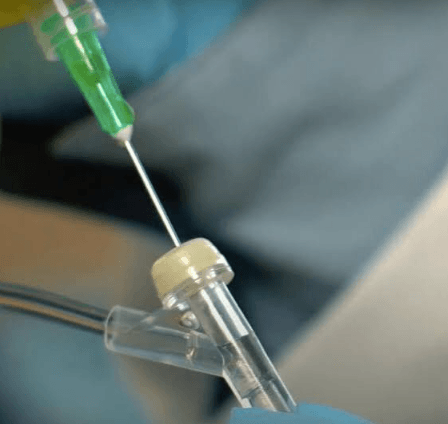
As the name suggests, this component features a branching, Y-shaped design where a secondary access point diverges from the main tubing pathway, creating an additional connection point without interrupting the primary fluid flow continuing through the main line.
Enabling Secondary Medication Administration
The primary clinical function of this branching access point involves allowing secondary medications, such as intermittent antibiotics or other scheduled drugs, to be introduced into the fluid pathway without requiring a separate venous access point on the patient.
Positioning Along the Tubing Assembly
Y ports are typically positioned at specific points along the tubing assembly, often closer to the patient end of the set, allowing convenient access for clinical staff while minimizing the volume of tubing a secondary medication needs to travel through before reaching the patient.
Valve Mechanisms Within Modern Y Port Designs
Many contemporary Y port designs incorporate valve mechanisms specifically engineered to prevent unwanted backflow of secondary medication into the primary fluid bag, addressing a safety consideration relevant to combination medication administration through a shared access point.
Compatibility With Standard Connection Devices
Y ports are generally designed to accept standard connection devices, whether needle-free connectors or, in older designs, needle-based access, though modern practice increasingly favors needle-free options given the occupational safety benefits these designs provide.
Learning More About This Common Component
For a more detailed exploration of Y port design and function within complete IV administration sets, reviewing information on y port iv tubing helps clarify its role in supporting flexible, safe medication administration.
Recognizing This Component During Clinical Practice
Clinical staff working with IV administration sets should be able to readily identify Y port locations along their specific set design, supporting efficient and appropriate use of these access points during routine patient care.
See also: When to Hire an Asset Tag Removal Company
Frequently Asked Questions
What is the basic purpose of the Y-shaped design in this tubing component? The branching Y-shape creates a secondary access point that diverges from the main tubing pathway, allowing additional connections without interrupting primary fluid flow continuing through the main line.
Why do many modern Y port designs include valve mechanisms? These valves are specifically engineered to prevent unwanted backflow of secondary medication into the primary fluid bag, addressing an important safety consideration for combination medication administration.
Are Y ports compatible with needle-free connection systems? Yes, modern Y port designs are generally compatible with needle-free connectors, reflecting the healthcare industry’s shift toward these systems given their occupational safety benefits.
Final Thoughts
Understanding the design and clinical function of Y port IV tubing helps clarify how this component supports flexible, efficient secondary medication administration within complete intravenous therapy setups. This component knowledge remains relevant to both clinical practice and broader IV set familiarity.